.png)
.png)

Daniel Saks
Chief Executive Officer


Here is the deal that every sales manager has seen: a rep has a strong champion at a target account. Great meetings. Positive signals. The champion says, "I love this, let me take it to my team." Two weeks of silence. Then the email: "We decided to go in a different direction."
The deal was single-threaded. The rep had one relationship, and when that relationship could not close the internal sale alone, the deal died. This pattern kills more enterprise deals than pricing, competition, or product gaps combined. As we found in our win rate benchmarks research, contact coverage is one of the strongest predictors of close rates.
According to Gartner research on B2B buying behavior, the average B2B buying decision now involves 6-10 stakeholders. Each stakeholder has their own priorities, concerns, and evaluation criteria. A single-threaded deal means your champion is trying to address all of those perspectives without you in the room.
People change jobs. According to LinkedIn Workforce data, the average tenure in a B2B tech role is 2.5-3 years. In a 6-month enterprise sales cycle, there is a meaningful probability your champion changes roles before the deal closes. If they were your only thread, the deal resets to zero.
Your champion loves the product but does not control budget. They cannot approve the purchase alone and cannot effectively sell internally because they do not have credibility with the CFO or CTO. The deal stalls in internal review because the people with authority have never heard of you.
The VP of Engineering worries about integration complexity. The CFO wants ROI data. The CISO needs a security review. Your champion cannot answer these questions because they are not an engineer, a financial analyst, or a security expert. Each unaddressed concern becomes a reason to delay or decline.
While you are working through one champion, a competitor is engaging the CFO, the VP of Sales, and the IT lead simultaneously. When the buying committee meets to decide, three of six members have a relationship with the competitor and none (except your champion) have a relationship with you. The committee gravitates toward the vendor they know.
For every enterprise opportunity, identify: the economic buyer (controls budget), the technical evaluator (assesses product fit), the end user (will use the product daily), and the internal champion (advocates for you). In larger deals, add: the legal reviewer, the security reviewer, and the executive sponsor.
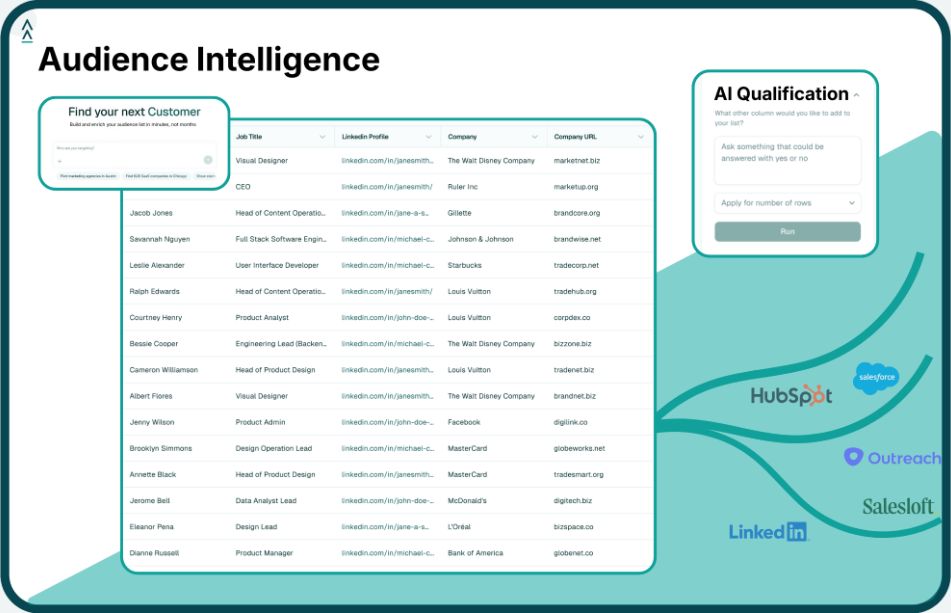
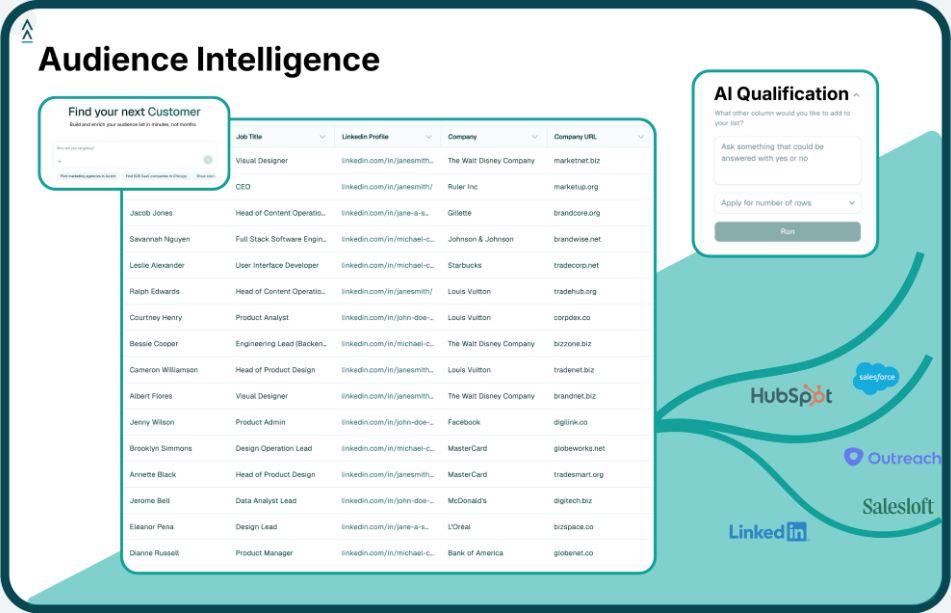
This is where data matters. You cannot engage people you have not identified. Landbase delivers verified contacts across the buying committee with titles, direct dials, and emails. Instead of your rep guessing who else is involved, the platform surfaces the likely decision-makers based on org structure and role data.
The best multi-threading is champion-assisted. Ask: "Who else on your team will be involved in evaluating this? I would love to make sure I address their specific concerns directly." Most champions appreciate this because it makes their internal selling job easier.
The CFO cares about ROI and payback period. The VP of Engineering cares about integration and maintenance burden. The end user cares about workflow and usability. Sending the same pitch deck to everyone defeats the purpose of multi-threading. Each stakeholder gets a message that addresses their specific concerns.
In your CRM, track every contact associated with an opportunity and their last engagement date. If a thread goes dark for more than 14 days, the rep should re-engage or find an alternate path through the buying committee. Weekly pipeline reviews should include: "How many contacts are engaged on this deal?"
Add "number of engaged contacts" to your deal inspection criteria. Deals in later stages with fewer than 3 engaged contacts should be flagged as at-risk regardless of what the rep says about deal momentum. The thread count is a more reliable indicator of deal health than deal stage.
For deals above $50K ACV, target 5-7 engaged contacts representing at least 3 different roles (economic buyer, technical evaluator, end user). For deals above $200K, target 7-10 contacts. The goal is meaningful coverage across the buying committee.
Not if you do it with them instead of around them. Ask the champion to introduce you or to include stakeholders in meetings. Framing it as "I want to make sure your team's concerns are addressed" positions multi-threading as collaborative.
Start with your champion (ask who else is involved). Supplement with enrichment data from platforms like Landbase that provide verified contacts by title and role across the organization. LinkedIn Sales Navigator helps identify additional stakeholders. The best approach combines all three sources.
As early as possible. The ideal time to identify and engage additional stakeholders is during the discovery and evaluation stages, well before negotiation begins. By the time you reach proposal stage, every member of the buying committee should have had at least one interaction with your team.
Tool and strategies modern teams need to help their companies grow.